Travel Thoughts
One essay, written after the two journeys — how the gardens of Beijing and Suzhou heal through water, senses and culture. The paper is condensed here in four chapters, with photographs from both trips.
Psychological Healing through Sensory Perception in Water- and Culture-Centred Spatial Systems of Northern Chinese Gardens
The role of northern Chinese gardens in promoting psychological recovery is analysed through the prism of spatial design, perception and culture. The study contrasts Eastern and Western approaches to healing gardens, examines Beijing's imperial gardens through interviews, field observation and the study of water and landforms, and extends to hutong courtyards through fengshui and everyday behaviour. It shows that healing occurs in a sequence: space directs the body, sensory experience shifts focus, and cultural memory gives emotional meaning to the environment.
Major Traditions and Perspectives in Garden Healing
Garden healing is the soothing process that unfolds when people interact with a designed natural space — through water, light, sound, climate, movement, privacy and social interaction, not plants alone. In the West it grows out of medicine: clinical healing gardens attached to hospitals and care centres, Ulrich's Stress Reduction Theory, and Kaplan's Attention Restoration Theory. In China, healing is woven into everyday acts — walking, viewing water, listening to natural sounds, reading and drinking tea.
The difference is cultural rather than merely visual. Western approaches arose from medicine and research, seeking measurable outcomes; Chinese gardens grew from governance, poetry, painting and self-cultivation, where Confucian order, Daoist naturalness and Buddhist contemplation balanced body, mind, society and nature. Within China, northern imperial gardens favour axial planning, sophisticated water systems and monumental scale, while Jiangnan literati gardens favour enclosure, winding paths and framed views.
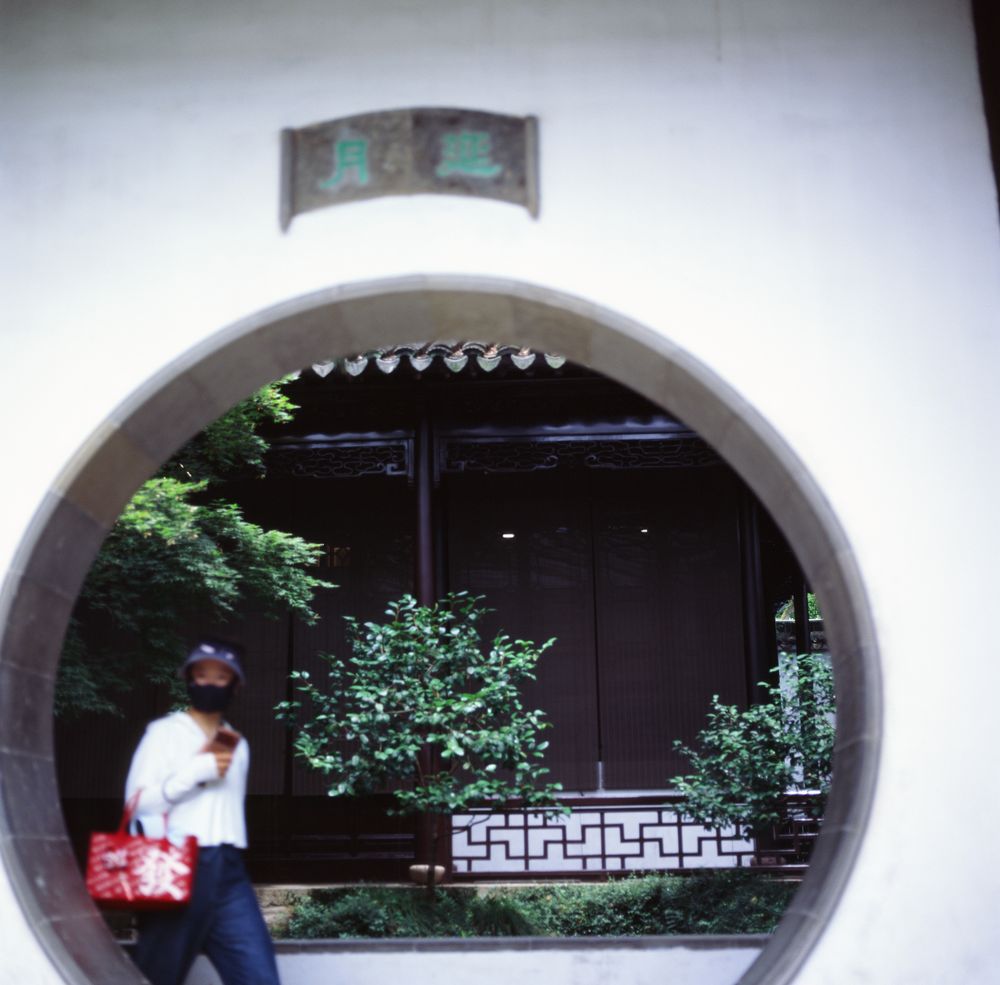
Beijing Imperial Gardens: Water, Topography and Spatial Experience
In conversation, landscape architect Li Weimin described the city, royal authority and garden construction as one interwoven system: ceremonial axes reveal hierarchy, while recreational parts follow water, land and shifting views. The 'one pond and three mountains' archetype endured from Beihai to the layout of Kunming Lake, and the Garden of Harmonious Interest carried the small scale of Jiangnan gardens into the monumental northern landscape — paving the way for both public ritual and private contemplation.
Walking from the open lake to the formal hill and the back-hill canals, water organised both direction and rhythm: distant views slowed the body, the climb focused attention on breathing and balance, and the narrow back waters and the Garden of Harmonious Interests concentrated attention on shadows, footsteps and reflected walls. The restorative properties of the site are perceived sequentially rather than statically — open water gives distance, climbing builds bodily awareness, enclosed water sharpens the senses.
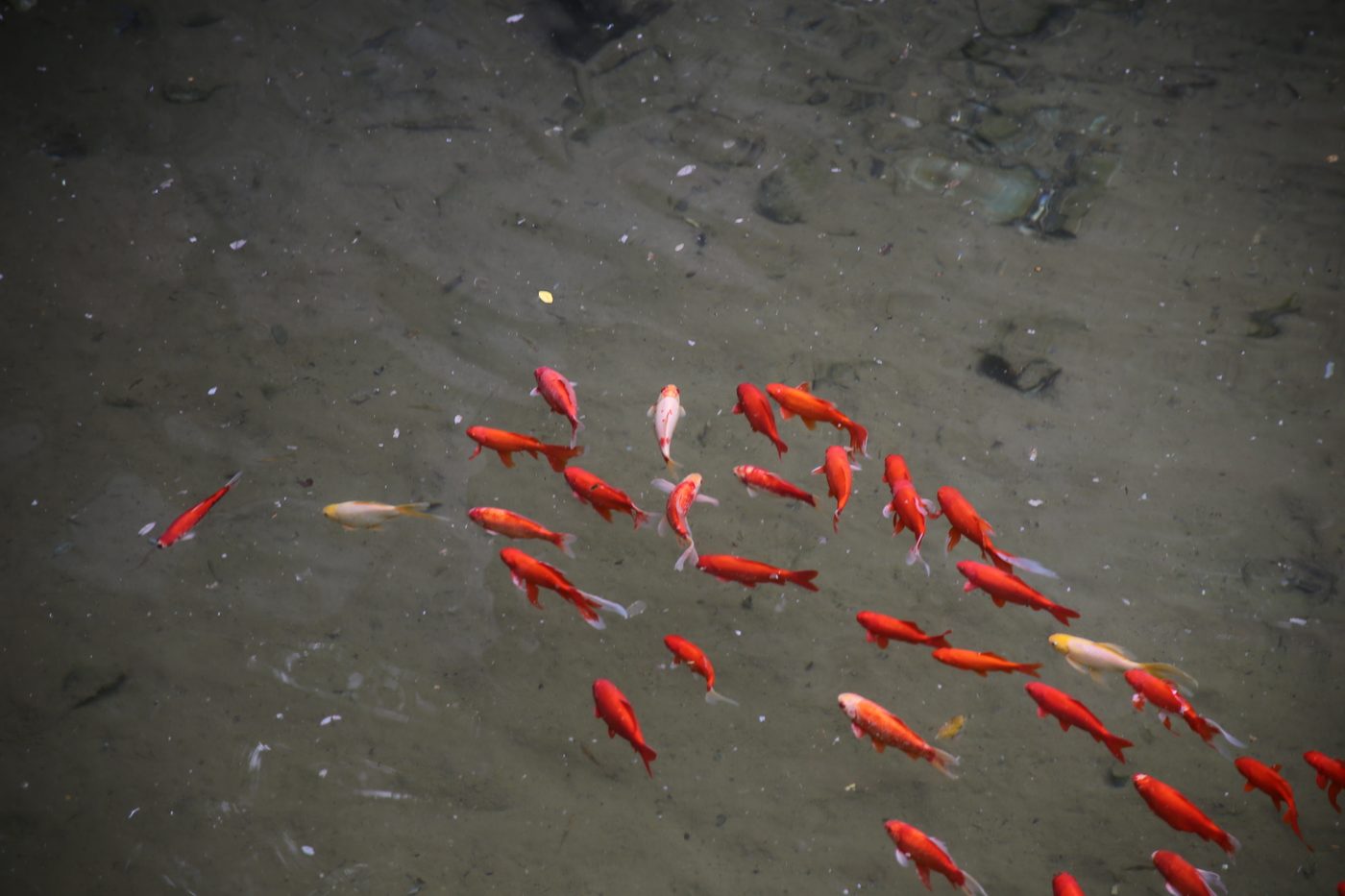
Fengshui, Space and Human Behaviour in Beijing Hutongs
Following Kongjian Yu, fengshui is read neither as supernatural knowledge nor as superstition, but as a cultural model linking safety, hierarchy and belonging with orientation, enclosure, thresholds and water. In the renewed Caishikou West Area, Zhuang Jingdong's 'one courtyard, one policy' kept historic hutong names while restoring water, sewage and electricity household by household — northern buildings taller than southern ones, courtyard width tied to building height, winter sun reaching the principal room, no straight line from gate to door.
In the field, a crooked gate forced a turn before the courtyard opened; eaves made shaded edges for sitting; rain heightened the sensory presence of tiled roofs, falling water, wet ground and cool air. The calm of the courtyard rests on functioning drains and solar access, not on appearance alone — proportions, ventilation and the visibility of the central space shape comfort and everyday behaviour.
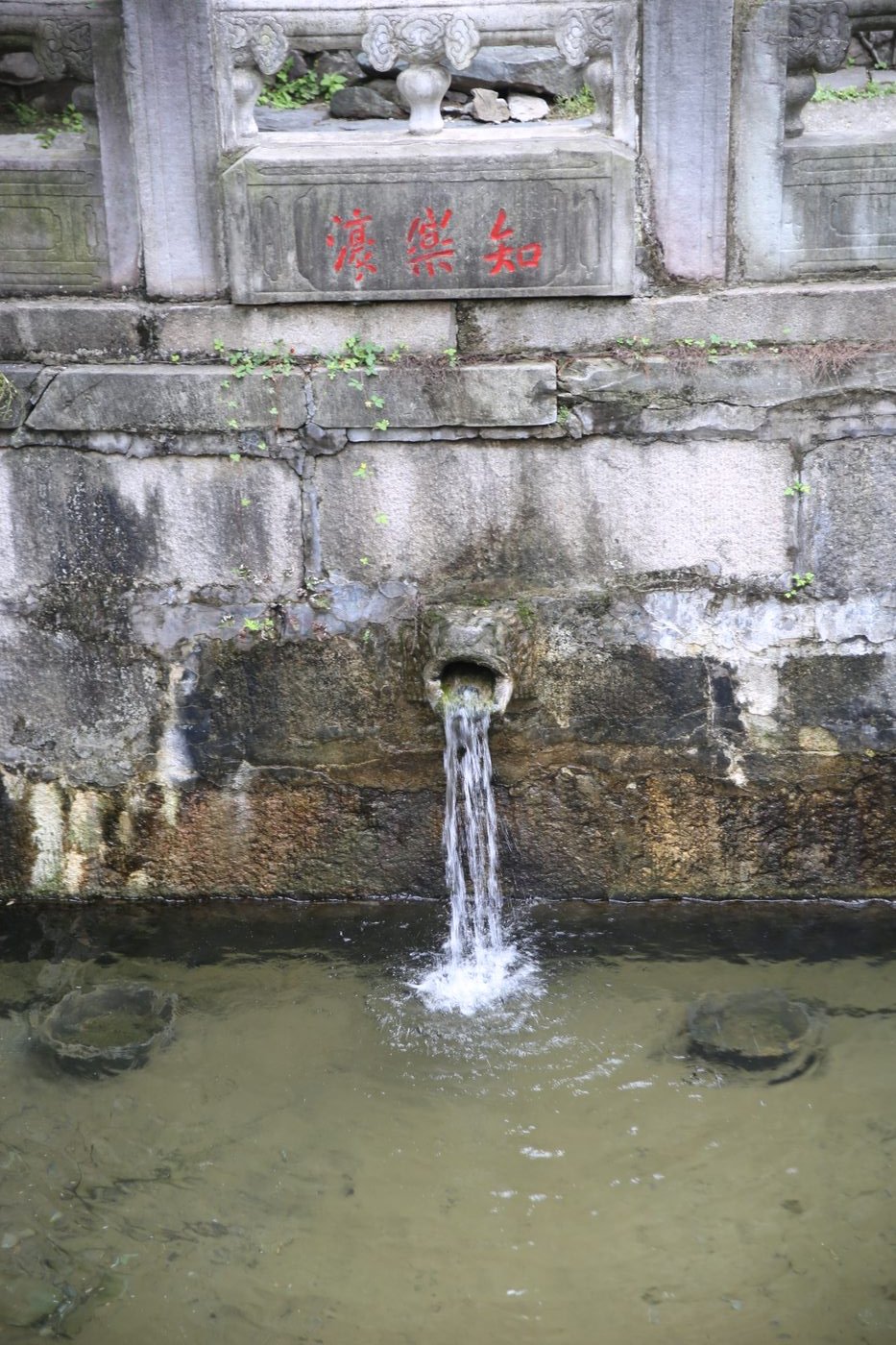
Sensory Perception and the Healing Qualities of Northern Chinese Gardens
Imperial gardens and hutong courtyards differ in magnitude but unite orientation, threshold, enclosure and movement in their composition — the first turns these elements into ceremonial narrative, the second into climate regulation, family order, privacy and communication. Both shape how people walk, stop, watch, talk and react, across the oppositions of open and closed, public and private, distant and intimate.
The distinctive healing quality of northern Chinese gardens lies in awakening the senses and filling them with spirituality and culture: water is seen in reflections, heard in rain and movement, felt in humidity and temperature; spatial sequences regulate movement and attention; poetic names, historical accounts and fengshui bind perception to the mind. Healing is a process in which space directs the body, the body's experience shifts attention, and culture gives the environment its emotional meaning.
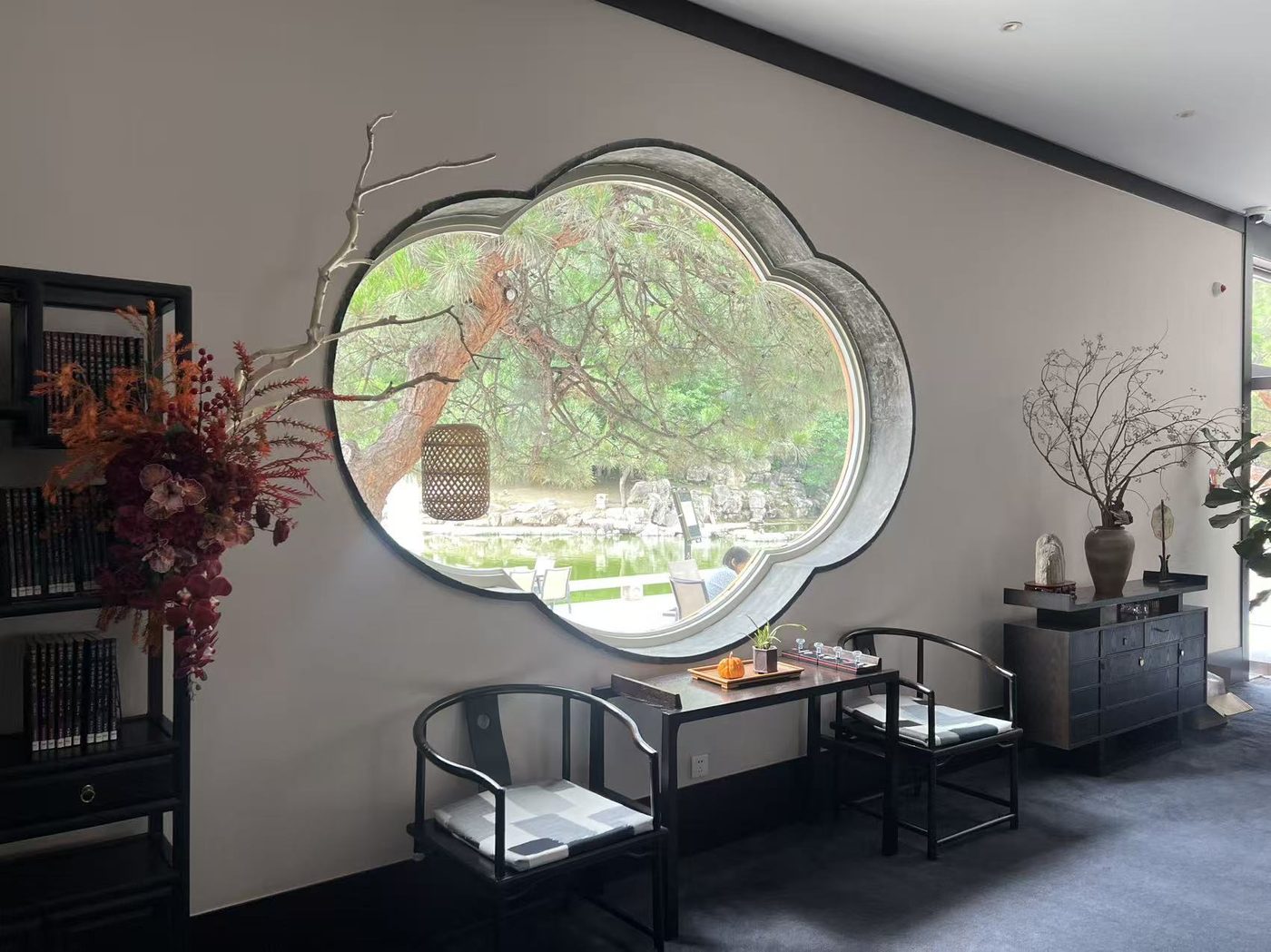
References & Primary Sources
Harries, B. et al. (2023) 'Designing a wellbeing garden: A systematic review of design recommendations', Design for Health, 7(2), pp. 180–201.
Kaplan, S. (1995) 'The restorative benefits of nature: Toward an integrative framework', Journal of Environmental Psychology, 15(3), pp. 169–182.
Ulrich, R.S. et al. (1991) 'Stress recovery during exposure to natural and urban environments', Journal of Environmental Psychology, 11(3), pp. 201–230.
Yu, K. (2019) Ideal Landscapes and the Deep Meaning of Feng-shui: Patterns of Biological and Cultural Genes. Novato, CA: ORO Editions.
Yang, J. and Gao, Y. (2019) 'Water engineering of Beijing's "Three Hills and Five Gardens" as seen in the Yangshi Lei archives', Zijincheng, 2019(2), pp. 128–141.
Liu, H. et al. (2024) 'Research on the restorative effects and perception of privacy-driven activities in Chinese classical gardens', Frontiers in Public Health, 12, article 1462077.
Zhang, Z., Jiang, M. and Zhao, J. (2024) 'The restorative effects of unique green-space design', Forests, 15(9), article 1611.
Xu, P. (1998) '"Feng-shui" models structured traditional Beijing courtyard houses', Journal of Architectural and Planning Research, 15(4), pp. 271–282.
Zhu, L. and Shah, S.J. (2024) 'History and evolution of the healing gardens: Investigating the building–nature relationship in the healthcare setting', SSM – Qualitative Research in Health, 6, article 100450.
Primary sources — Li, W. (n.d.) personal interview on Beijing imperial gardens; Zhuang, J. (n.d.) personal interview on hutong renewal, feng shui and courtyard living.